

Structural survey, foundation check and foundation survey compared
Structural survey
Visible building defects, maintenance and accessible parts. The foundation itself is normally excluded; check the surveyor’s terms.
Preliminary foundation check
Archive and area data used to identify foundation risks before purchase. A desk-based indication, no site visit.
Foundation survey
Specialist investigation of the foundation itself: archive research, level measurements and, where needed, an inspection pit.
Foundation warning signs a structural survey may record
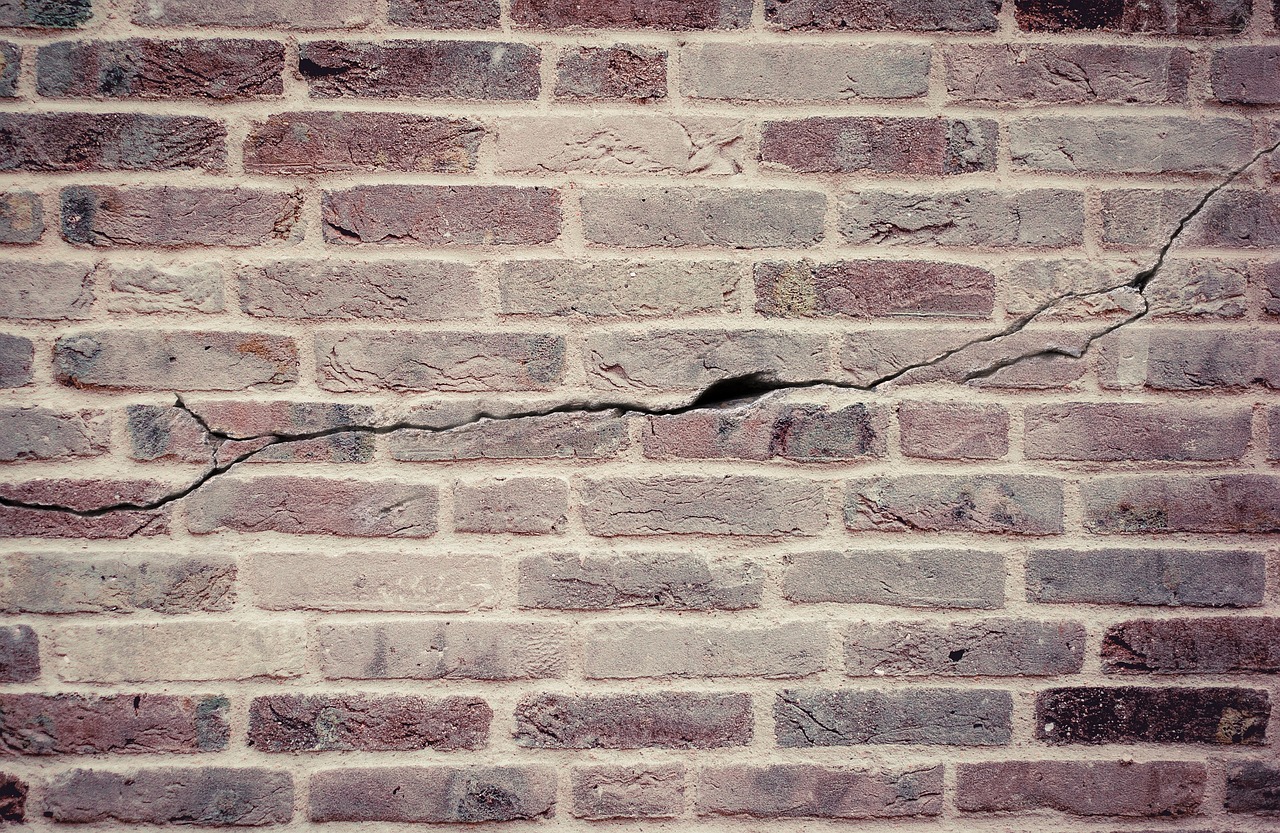
A surveyor may note diagonal cracks, sloping floors, doors that no longer close, movement at a party wall or moisture in the underfloor void. These are warning signs, not a diagnosis. Similar defects can have causes unrelated to the foundation, such as a failing lintel or an extension built on a different foundation.
When to commission a foundation survey
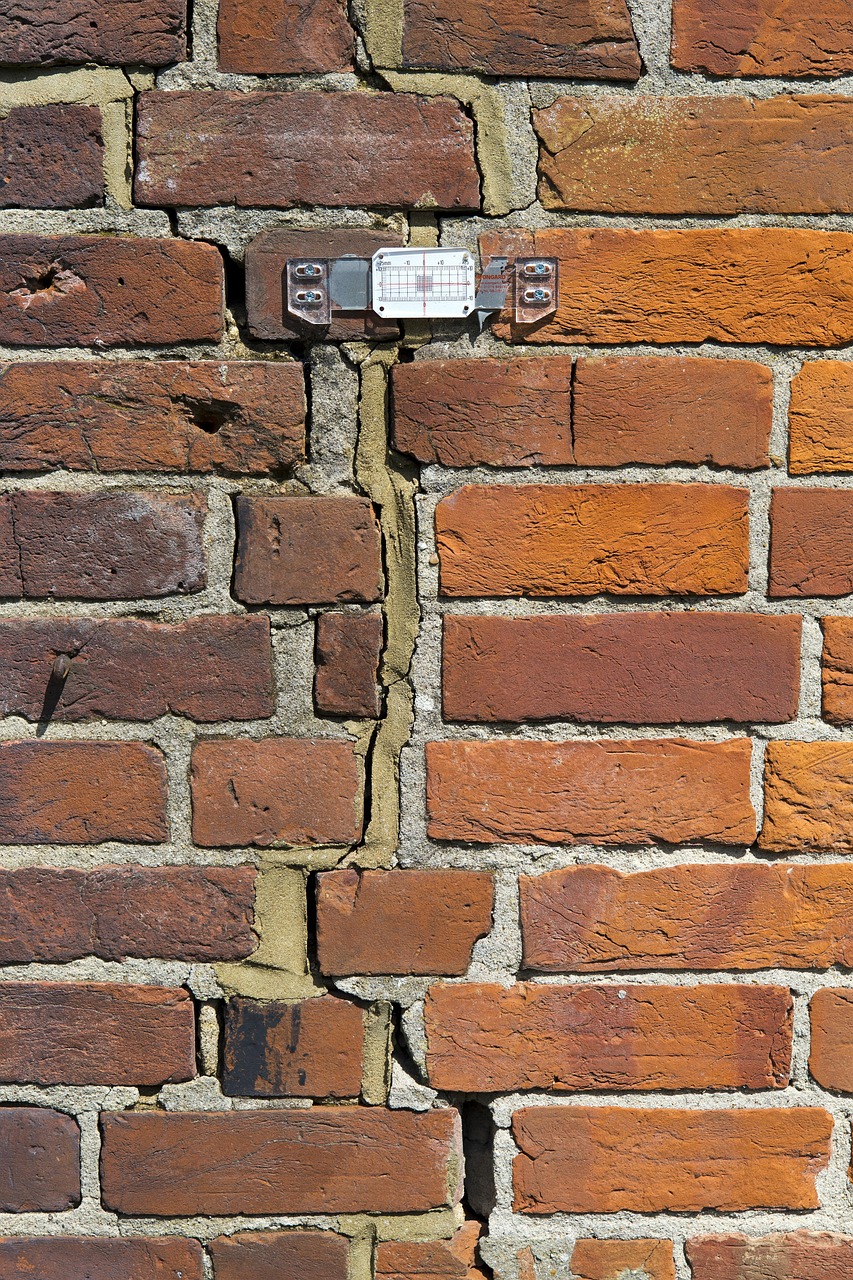
Further investigation is sensible when the seller reports previous foundation work, neighbouring properties have known foundation problems, monitoring data shows movement or several warning signs occur together. In areas with older timber pile foundations the threshold should be lower. Ask for the building archive file and any previous foundation reports before defining the scope.
What a Dutch foundation survey involves
Specialist foundation surveys in the Netherlands usually follow the F3O guideline and are carried out in stages. Not every house needs every stage.
- Archive research. The municipal building archive is searched for drawings, pile schedules and earlier repairs. This alone often costs €400 to €800 and sometimes answers the question.
- Level survey. Floor levels and brick courses are measured to show how far, and in which direction, the building has moved.
- Inspection pit. A pit is dug against the foundation, usually from the street side, to expose the masonry, the timber beams and the pile heads. Timber samples go to a laboratory to test for fungal and bacterial decay.
- CPT survey. Where pile capacity is in doubt, a cone penetration test (sondering) measures the soil layers and the depth of the load-bearing sand. Expect €650 to €1,200.
An individual foundation survey with an inspection pit commonly costs €2,800 to €5,200. When neighbours share the investigation, costs drop to around €1,200 to €1,800 per home. The report states the foundation type, its condition and how urgently repair is needed.
Questions to ask the surveyor about the foundation
- Will the survey identify the known or likely foundation type?
- Is the underfloor void accessible and included?
- Will floor levels or façade movement be measured?
- Which foundation risks require specialist follow-up?
- Are exclusions stated clearly in the written report?
If the survey leaves foundation risks open, protect yourself with a foundation contingency clause in the purchase contract and budget for possible foundation repair costs.
Do not read “no defect observed” as “no foundation risk”. A visual inspection has practical limits, particularly when the foundation is concealed and there are no cracks yet.